Home Window Tinting: A Smart Guide
Written by
Grace
Published on
January 20, 2026
Reading Time
5 min read
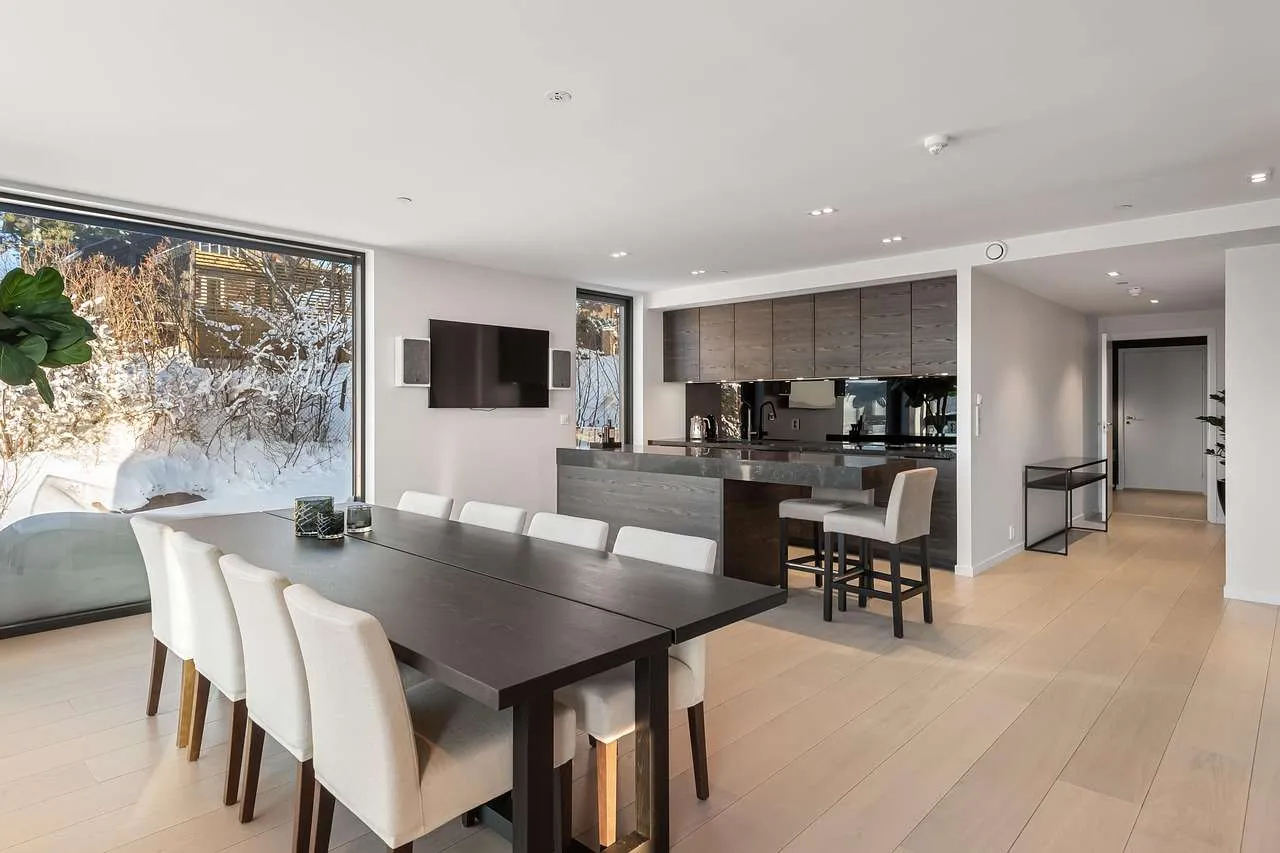
Home window tinting is a practical upgrade for many homeowners. By applying a thin film to interior or exterior glass, you can control heat, glare, UV exposure, and privacy without sacrificing natural light. This article explains what residential film can do, how to choose the right product, and what to expect in terms of cost, installation, and maintenance. Whether you own a single family home, a condo, or a rental, understanding the options helps you make a decision that aligns with comfort, safety, and energy goals.
Benefits of home window tinting
- Energy efficiency: Reducing solar heat gain lowers cooling loads in summer and can lessen HVAC wear year-round.
- UV protection: Most films block up to 99% of harmful UV rays, protecting furnishings and skin.
- Glare and comfort: Lower glare improves TV, computer work, and daytime viewing without darkening rooms excessively.
- Privacy and security: Tinted glass is more private during daytime and can deter thieves by making interior layouts harder to read.
- UV stability and aesthetics: High-quality films resist fading and maintain color over years.
Popular film types for residential use
There are several solar control films commonly used in homes. Each type has trade-offs between cost, performance, and appearance.
Dyed films
Dyed films are the most economical. They absorb heat and reduce glare but can be less durable and may show slight color change over time. They offer good privacy but limited UV protection unless paired with additional layers.
Metalized films
Metalized films reflect a portion of the sun and offer strong heat reduction and durability. Some occupants report slightly more reflections on the exterior and potential interference with electronics on certain windows.
Ceramic films
Ceramic or non-conductive films provide excellent heat rejection, UV protection, and true color appearance. They tend to be more expensive but are favored for their performance and longevity.
Carbon/Charcoal films
Carbon-based films balance aesthetics, heat control, and resistance to fading. They typically offer uniform tint without a mirrored look and excel in glare reduction.
Choosing the right film for your home
Key considerations include the desired level of privacy, the amount of daylight you want to preserve, and your budget. A common metric is Visible Light Transmission (VLT): the percentage of visible light that passes through the film. Lower VLT means darker appearance but stronger heat reduction. For living spaces, many homeowners opt for VLT in the 35–60% range to maintain brightness while cutting heat. Consider also the film’s UV rejection, warranty, and whether the tint affects emergency egress windows or safety code requirements in your area.
Installation options: DIY vs professional
Professional installation yields the best results, with precise cuts, edge sealing, and warranty coverage. DIY films are available at hardware stores, but improper installation can cause bubbling, creasing, or adhesive residue. If you choose DIY, prepare clean glass, work in a dust-free environment, and follow the product’s instructions closely. For multi-pane or large windows, professional installation is often the safer, more cost-effective option in the long run.
Maintenance, warranty, and longevity
Most residential films require simple cleaning with non-abrasive, ammonia-free cleaners. Avoid rough scrubbing that can scratch the coating. Warranties vary by product and installer; look for transferable warranties covering bubbling, peeling, and color degradation for 5–15 years depending on the film type. Regular inspections help detect early issues before they require reselection or replacement.
Costs and potential energy savings
Prices vary by type, window size, climate, and local labor rates. Expect a range from a few hundred to a couple thousand dollars for an entire home, including professional installation. The payoff is ongoing energy savings, reduced glare, and longer furniture life. In some markets, you can recoup costs through lower cooling bills and improved comfort scores on home energy audits.
Comparison of residential film types
| Film Type | UV Rejection | Glare Reduction | Aesthetics | Cost | Durability | Best For |
|---|---|---|---|---|---|---|
| Dyed | Moderate | Good | Neutral to tinted | Low | Moderate | Budget-conscious spaces |
| Metalized | High | Excellent | Reflective | Medium | High | Heat control, durability |
| Ceramic | Very High | Excellent | Natural, non-reflective | High | Excellent | Premium performance |
| Carbon/Charcoal | Very High | Excellent | Consistent tint | Medium-High | High | Balanced aesthetics and efficiency |
Frequently asked questions
Q: Will tinting affect window safety or emergency egress?
A: Most residential films do not compromise safety if installed correctly and meet local codes. For high-safety needs, choose films rated for safety glazing and consult a professional.
Q: Can I tint only some windows or rooms?
A: Yes. Many homeowners tint the south and west exposures first to minimize heat gain, while choosing lighter tints for bedrooms or study areas.
Conclusion, Home window tinting offers energy savings, UV protection, privacy, and improved comfort when choosing the right film and installer. With the right product and professional help, you can enjoy long-term benefits while maintaining the home’s appearance and value.